Ask most facilities managers why their car park has not been cleaned and the answer is rarely cost. It is that nobody can work out when to do it. The surface needs several hours, the site trades seven days, and losing a hundred spaces on a Saturday is not a trade anyone wants to make. The cleaning is the easy part. The scheduling is the job.
Phasing beats closing
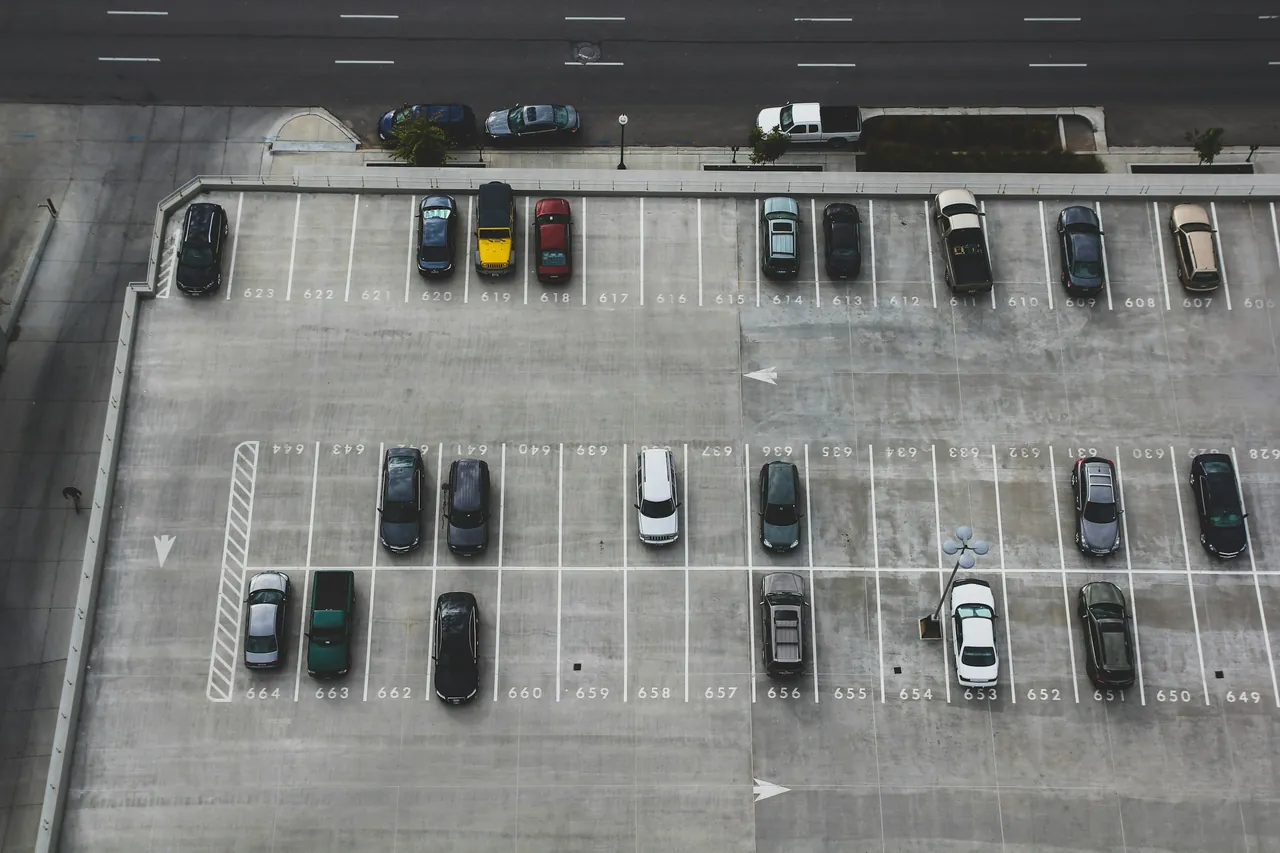
Very few commercial car parks need to close to be cleaned. What they need is to be divided sensibly. Work is taken in blocks, coned and signed, cleaned and released, with the sequence chosen so that the bays taken out of use at any moment are the ones least needed at that hour.
That usually means starting with the far end of the site during trading hours and leaving the entrance, main routes and accessible bays for out-of-hours work. On a busy retail park it may mean the whole job runs overnight. On an office site with predictable occupancy, weekends do it without anyone noticing.
The important detail is that pedestrian routes are planned as deliberately as vehicle routes. A coned working area that leaves customers walking down a live traffic lane has solved a cleaning problem by creating a safety one. Accessible bays in particular cannot simply be closed; an equivalent alternative needs providing for the duration.
What is actually on the surface
Car park soiling is a mix, and the components need different treatment. General traffic film and atmospheric dirt cover everything and give the surface its overall grey, tired appearance. That is the easy part and responds to straightforward washing.
Oil and fuel drips are concentrated in bays and at junctions, and they need degreasing rather than pressure. Chewing gum is a separate operation again, usually steam or specialist treatment, and it is concentrated exactly where footfall is heaviest: entrances, trolley bays, walkways and near doors.
Then there is organic growth in the areas that stay damp, typically edges, shaded bays and anywhere drainage is poor. On a multi-storey the picture changes: less weathering, but far heavier tyre rubber deposit, oil concentration on ramps and turning circles, and dust that has nowhere to go.
A quote that treats all of this as one rate per square metre is likely to be pricing a wash and nothing more.
Drainage is a safety issue, not a maintenance one
Car park gullies fill with silt, leaf litter and general debris, and once they are blocked the surface holds water. Standing water is a slip risk in its own right, freezes into a much larger one in winter, accelerates surface deterioration, and on sites with an interceptor it can mean contaminated water is no longer being separated as designed.
Cleaning the surface without clearing the drainage is treating the symptom. It also wastes the clean, because the areas that pond are the areas that will grow algae back first. Where a site has an oil interceptor, it needs inspecting and servicing on its own schedule regardless of how the surface looks.
- Clear gullies and channels before or alongside the surface clean
- Check the interceptor where one is fitted
- Note where water ponds and treat that as a defect, not dirt
- Confirm which drains are surface water and which are foul before washing
Where the wash water goes
Car park run-off carries hydrocarbons, rubber, silt and whatever detergent was used. On most commercial sites the surface water system discharges to a watercourse, sometimes via an interceptor and sometimes not. Washing contaminated water into it without control can constitute a pollution offence, and it is the site operator who carries that risk.
Any competent contractor establishes the drainage layout first, confirms whether an interceptor is present and functioning, and controls run-off accordingly. On sensitive sites that means recovering the wash water rather than letting it run. It is worth asking the question at quotation stage, because a price that has not accounted for it is cheaper for a reason.
Cleaning and line marking belong in the same conversation
A freshly cleaned car park with faded bay markings looks half finished, and the two jobs are naturally sequential: cleaning back to sound surface is exactly the preparation line marking needs. Paint applied over traffic film and oil residue bonds to the contamination rather than the substrate and lifts early.
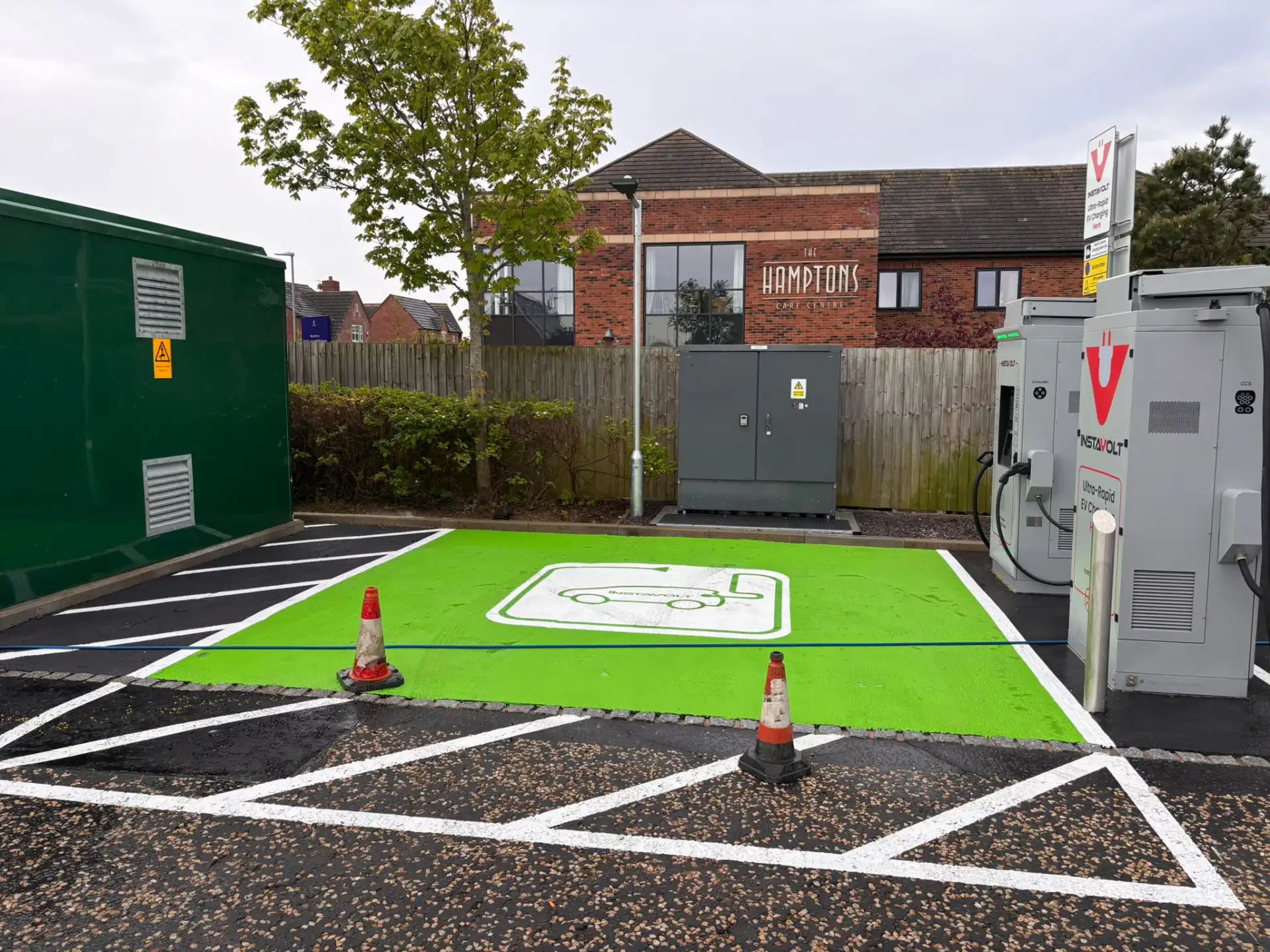
It is also the practical moment to revisit the layout rather than simply repaint what was there. Most sites have changed since the bays were last set out. EV charging bays may need adding or expanding, accessible bay provision may no longer match occupancy, and delivery or click-and-collect areas often exist informally without being marked at all.
Where markings are being changed rather than refreshed, the old lines need properly removing rather than painting over, or the site ends up with two competing sets of markings visible in low sun and wet weather.
How often is often enough
Exposure drives frequency far more than usage does. A site under trees with poor drainage will need attention more often than a busier open site that drains well. Multi-storeys accumulate rubber and oil steadily but weather barely at all.
The pattern worth avoiding is the one most sites fall into: nothing for several years, then a heavy restoration job. Regular lighter cleaning holds the surface, keeps drainage working, and stops gum and oil becoming embedded to the point where removal is a specialist operation rather than routine maintenance.
For most commercial sites the sensible approach is a planned surface clean tied to a drainage check, with gum removal at entrances and high-footfall areas addressed more frequently than the car park as a whole.
Common Questions
Does the car park have to close?
Rarely. Most sites are cleaned in phased sections with cones and signage, sequenced so the bays out of use at any point are the least needed. Busy retail sites are often done overnight instead.
Can you clean a multi-storey car park?
Yes, though the contamination is different: heavier tyre rubber and oil, especially on ramps and turning circles, with far less weathering. Ventilation, drainage and water control need planning in advance.
Is chewing gum removal included in a car park clean?
Usually it is priced separately, because it is a different process from surface washing and concentrated in specific areas such as entrances, walkways and trolley bays.
Should we clean before or after line marking?
Before. Cleaning back to a sound surface is the preparation line marking requires. Paint applied over traffic film and oil residue bonds poorly and fails early.