Cleaning is one of the last things to happen on a construction project and one of the first things to get compressed when the programme slips. It is also one of the few trades where the client sees the output directly. A building that has been beautifully constructed and badly cleaned reads, to the person accepting it, as a building that has been badly built.
The three stages, and why the names cause arguments
Construction cleaning is conventionally split into three stages, and a great many disputes at handover come from two parties using the same phrase to mean different scopes.
The builders clean is the rough stage. Bulk debris, packaging, offcuts and dust are removed, surfaces are made safe to work on, and the building becomes navigable for following trades. It is not a finish. It is what allows finishing trades to work without contaminating their own installations.
The sparkle clean, sometimes called the final or detail clean, is the one that produces the building the client sees. Glass cleaned inside and out, frames and reveals detailed, floors properly finished, sanitaryware polished, protective films removed, fixtures and ironmongery cleaned down. This is the stage where quality is judged.
The third stage is the touch-up or post-snag clean, after the snagging trades have been back in. This one is skipped far more often than it should be, because by then the programme has usually run out of room. It is also the stage that stops the client's own inspection from finding fingerprints and dust on the surfaces that were signed off a fortnight earlier.
Protective film is where programmes quietly break
Almost every project has an incident with protective film. Films on glazing, sanitaryware, worktops, lift finishes and ironmongery are specified with a maximum exposure period, frequently around six months, and often far less for anything in direct sunlight.
Left beyond that period, particularly on a south-facing elevation, the adhesive cures onto the substrate. What should have been peeled away in seconds becomes a slow removal job involving solvents and a genuine risk of marking the very surface the film was protecting. On a large glazed elevation this can turn into a significant unplanned cost, and the argument about who pays for it is entirely avoidable.
The fix is scheduling, not technique. Film removal needs to be a dated activity on the programme, tied to when the material was installed, rather than an assumed part of whichever clean happens last.
Dust does not stay where you left it
The most common failure on a final clean is not missed areas. It is recontamination. A floor cleaned on Tuesday is dusty again on Thursday because a ceiling void was opened, a wall was chased, or a following trade cut something indoors.
That makes sequencing more important than effort. Cleaning has to follow the last dust-generating activity in each zone, not the calendar. Where zones are handed over in phases, the practical approach is to seal and control a cleaned zone rather than reclean it repeatedly, because every reclean is paid for twice.
Mechanical ventilation is the other recontamination route that gets missed. If systems have been run during the build, or ductwork has been open, dust is sitting in the system waiting to be distributed across freshly cleaned surfaces at first commissioning. Where that risk exists it needs addressing before the final clean rather than after.
- Clean each zone only after its last dust-generating activity
- Seal and control cleaned zones rather than recleaning them
- Schedule protective film removal by installation date, not by programme stage
- Deal with ductwork contamination before the final clean, not after
- Allow a post-snag touch-up in the programme from the outset
Externals decide the first impression
Internal finishes get the attention because that is where the client walks. But the first thing anyone sees is the approach: the car park, the service yard, the entrance hard standing and the elevations above them.
Construction traffic leaves a specific set of problems. Tracked-in mud that has been driven over and baked on, concrete and grout splashes on paving and kerbs, tyre marking, and run-off staining down elevations from the build itself. Cement residue in particular does not respond to ordinary washing and needs appropriate treatment, applied with care because the same chemistry that removes it will etch the wrong substrate.
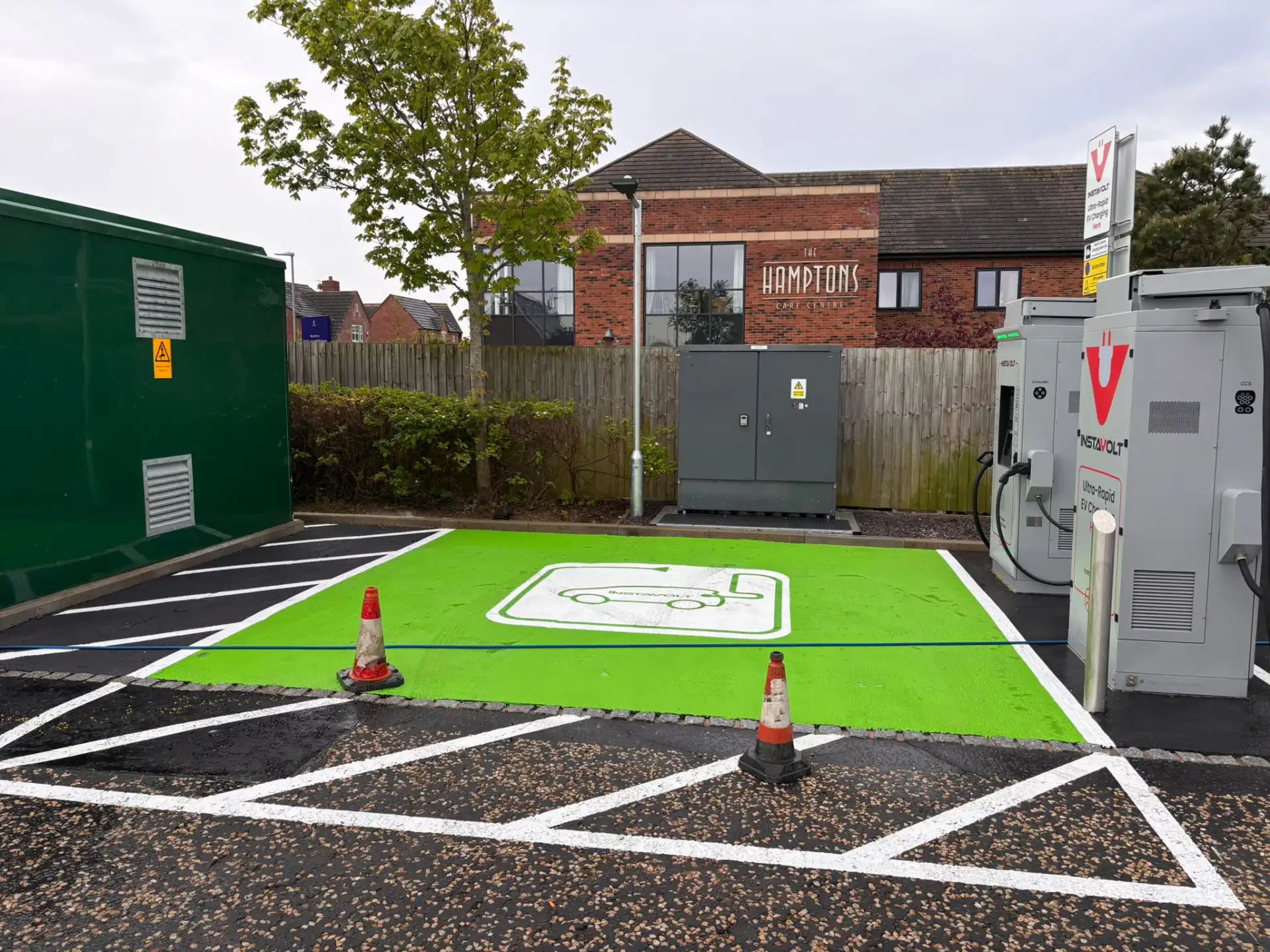
New line marking on a car park is also worth sequencing properly. Marking a surface that has not been cleaned back to sound substrate is a false economy: the paint bonds to the contamination rather than the surface, and it lifts.
Working alongside live trades
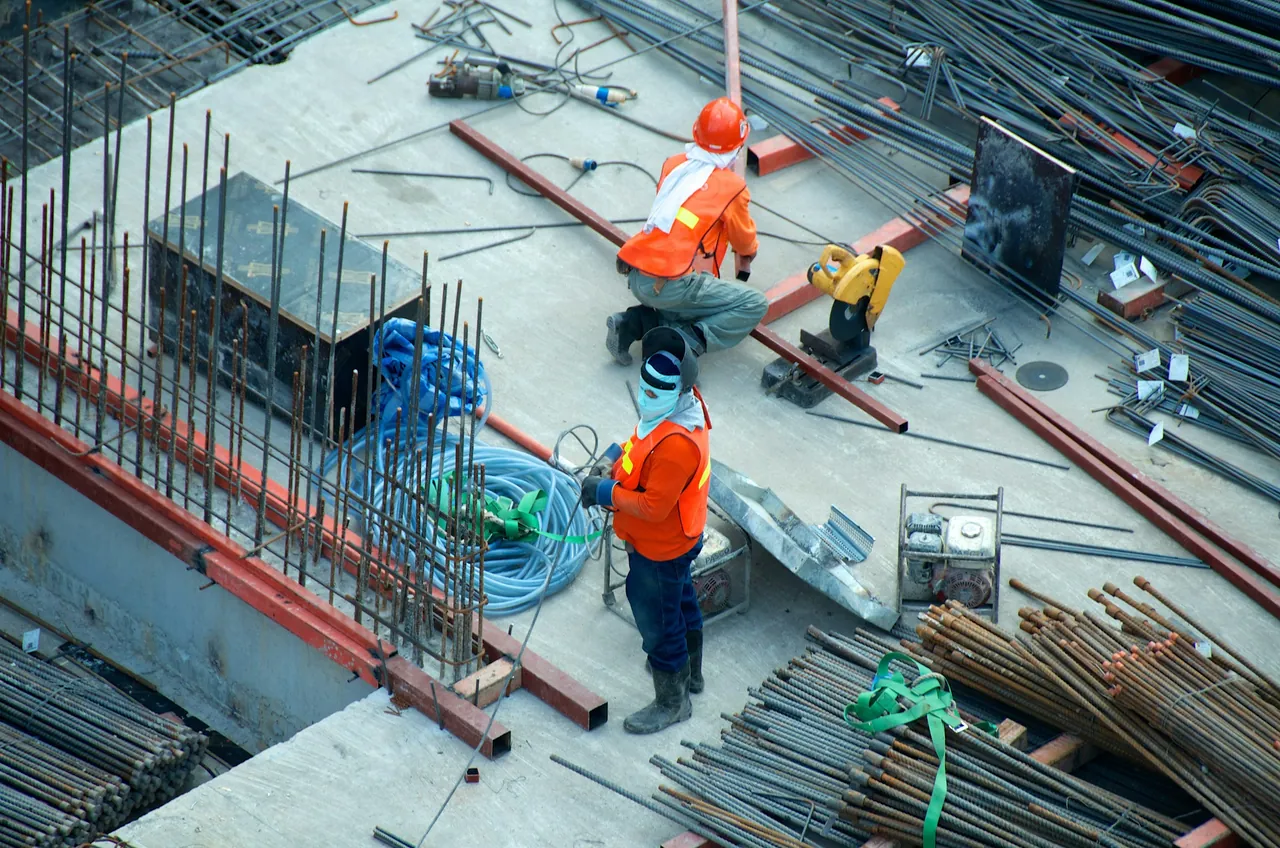
On most commercial projects cleaning is not happening in an empty building. It runs alongside commissioning engineers, snagging trades and sometimes the client's own fit-out contractors. That has practical consequences.
Access has to be coordinated rather than assumed, water and power availability confirmed rather than expected, and waste segregation set up so cleaning waste does not contaminate the project's own recycling streams. Where the building is partly occupied, cleaning also inherits the occupier's rules on hours, noise and access.
None of this is complicated, but it is the difference between a clean that finishes on programme and one that spends its first two days waiting for someone with a key.
Getting the scope right before it is priced
The most useful thing a client or main contractor can do is define which stages are included, at what standard, and when each is expected relative to the programme. A price for a final clean means very little without knowing whether film removal, externals, high-level cleaning and a post-snag return are inside or outside it.
Where a specification exists, the clean should be priced against it. Where one does not, agreeing the standard in writing before work starts costs an hour and prevents the conversation that otherwise happens at handover with the client standing in the room.
Common Questions
What is the difference between a builders clean and a sparkle clean?
A builders clean removes debris and dust to make the building safe and workable for following trades. A sparkle clean is the presentation-standard final clean the client sees, covering glass, frames, floors, sanitaryware and fixtures in detail.
When should protective film be removed?
Within the period the manufacturer specifies, measured from installation. Left too long, especially in direct sun, the adhesive bonds to the surface and removal becomes slow, costly and risks damaging the finish underneath.
Can cleaning happen while other trades are still working?
Yes, and on most programmes it has to. It works best zone by zone, following the last dust-generating activity in each area, with access and services coordinated in advance.
Does construction cleaning include the external areas?
Only if the scope says so. Car parks, service yards, hard standing and elevation staining are frequently priced separately, which is why they are worth confirming explicitly before work starts.