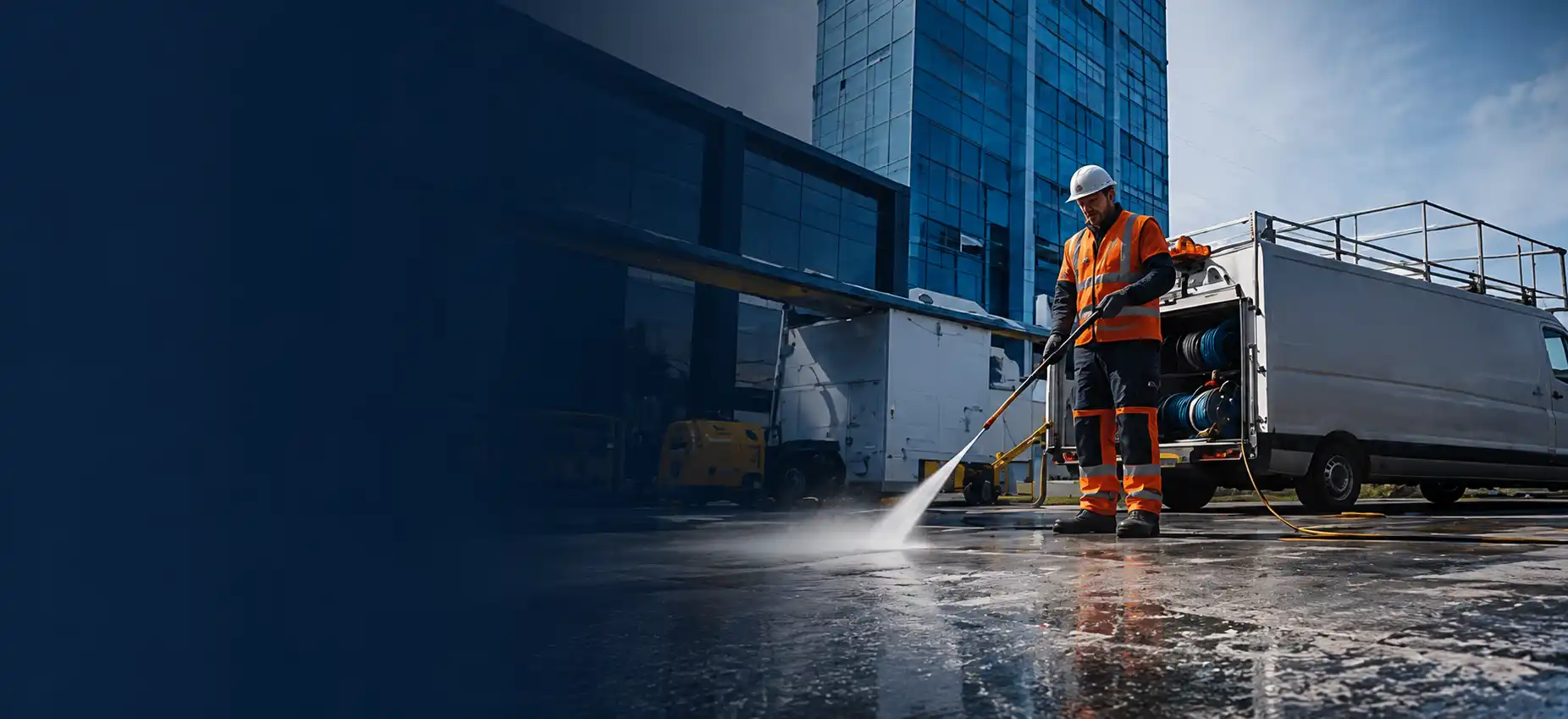
Exterior cleaning for Victorian warehouse and mill stock, city-centre retail and car parks, and the industrial units around the ring road, across the Bradford district and the BD postcodes.
Bradford District
Bradford's commercial estate was built in two very different eras, and a single street can hold both. The method that is right for one will damage the other.
The wool trade left Bradford with a large stock of Victorian stone warehouses and mills, many now offices, apartments and studios, with Little Germany the best-known cluster of them. They are sandstone and gritstone buildings that spent more than a century in coal smoke, and the dark crust on them is part of the surface rather than a layer sitting on top of it. Cleaning them is a judgement about how much of that crust is dirt that can come off and how much is stone that has to be left alone.
Against that sits the modern city: the Broadway shopping centre, the retail parks round the centre, glazed office frontages, and the multi-storey and surface car park estate that serves them. That is where the work is routine and repeatable, because the surfaces are tarmac, concrete, render and metal, and the question is how often rather than whether it can be done safely.
BD
Bradford postcodes
Stone and modern
Two building eras
Site visit first
Before any quote
On an old Bradford frontage the first visit is about the stone: what it is, how sound it is, and what has been done to it before.
A sandstone elevation and a steel-clad unit need different methods, so we look before we price.
Where the building is in the centre, access and footfall decide the working hours as much as the surface does.
Most of the district's difficulty is the age of its buildings, not the amount of dirt on them.
Large blank stone walls collect soot, algae and bird mess in different places, and the soft sandstone under them is easily scoured. The method is gentle and low-pressure, and it starts on a test patch rather than on the main elevation.
Where a mill has been converted, old stone sits next to new aluminium and glazing. Cleaning one without staining or etching the other means controlling run-off, not just choosing a pressure.
Saltaire, in the Bradford district, is a mill village with an exceptionally intact stone estate. Work on sites like that is dictated by what the buildings are and who has to approve changes to them.
A shopping centre has loading bays, bin stores and service roads behind a clean front. Those are the surfaces that carry grease and food waste, and they are the ones that get cleaned least often.
Deck surfaces collect oil and brake dust, and rainwater carries it to the lower levels and stairwells. A deck clean followed by re-marking restores bays and arrows in the same visit.
Bradford is built on slopes, so many yards and car parks are terraced or ramped. That affects where water runs, where equipment can stand, and where wash water has to be captured.
The city centre and the wider district, wherever there is a commercial surface to clean.
Bradford borders Leeds, Halifax and Huddersfield, and we work across all of them. Each has its own page.
Yes, with the right method. Soft sandstone is cleaned at low pressure and sometimes only with water, and we test a small area first. The thing to avoid is anything abrasive or high-pressure, which strips the face of the stone and cannot be undone.
It can. Cleaning is not always a controlled activity, but changes to a listed building can be, and a conservation officer may want to see the method. We can describe the process in writing so it can be put to whoever has to agree it.
Usually, by closing one deck or one bay row at a time and working outside the busy periods. How much can be closed at once, and where the wash water drains, are what decide the programme.
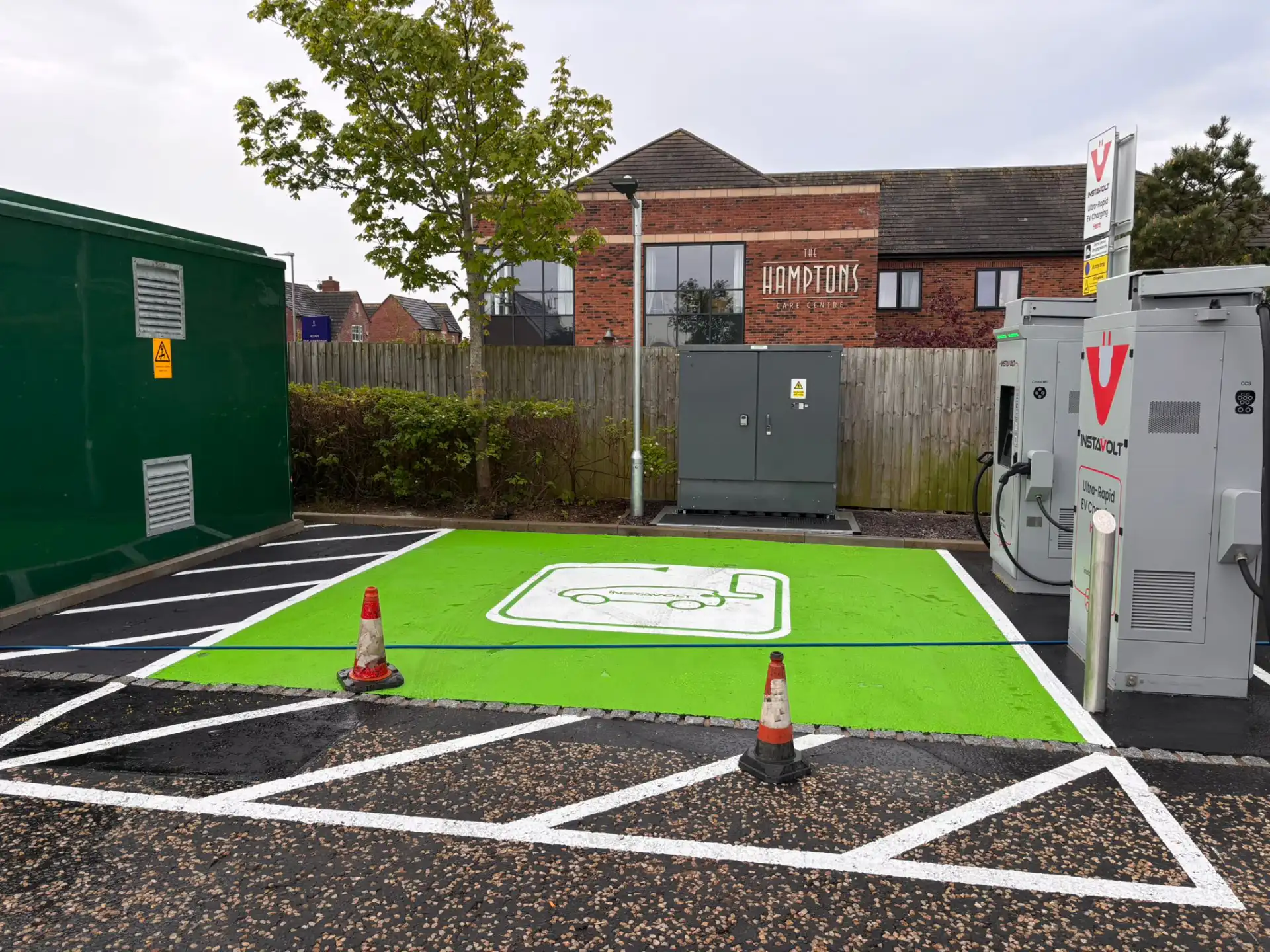
Whether it’s large-scale pressure washing, industrial cleaning or ongoing commercial maintenance, Jet Clean Commercial Services is ready to help.